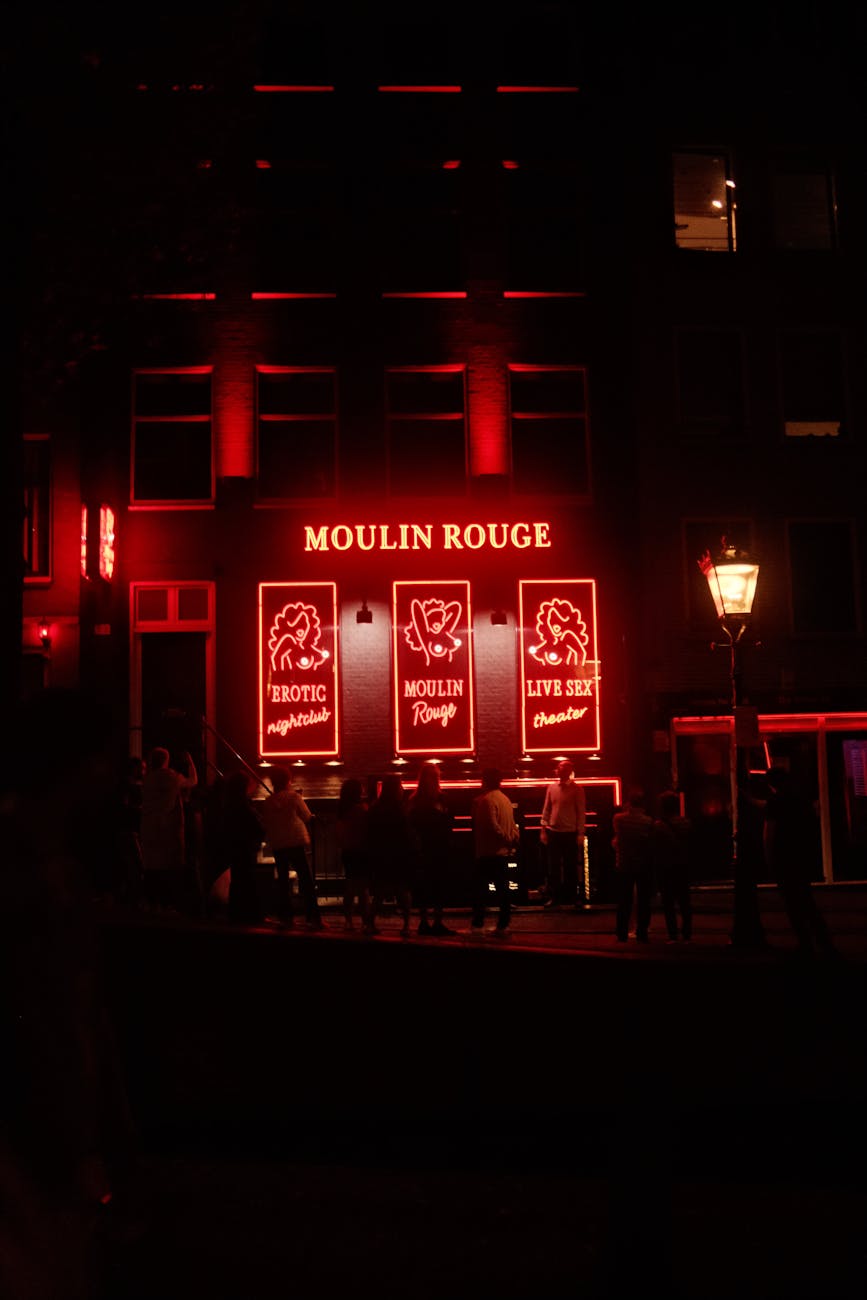
Amsterdam’s nightlife is legendary, a vibrant tapestry woven with historic pubs, intimate jazz clubs, cutting-edge electronic music venues, and everything in between. However, navigating the city to reach these hotspots can be tricky, especially if you’re unfamiliar with the layout. Choosing the right area to stay can dramatically enhance your nightlife experience, saving you time, money on transportation, and maximizing your enjoyment. This guide will delve into the prime Amsterdam neighborhoods offering the best access to the city’s pulsating nightlife, examining each area’s unique character, the types of venues it hosts, price ranges for accommodation, and overall suitability for different nightlife preferences. We’ll cover everything from the bustling Rembrandtplein to the trendy De Pijp and beyond, helping you find the perfect base for an unforgettable Amsterdam adventure.
Understanding Amsterdam’s Nightlife Landscape
Amsterdam’s nightlife isn’t concentrated in a single district. Instead, it’s dispersed throughout the city, with different areas catering to different tastes. The Red Light District, while infamous, offers more than just its namesake attractions; it’s also home to numerous bars and pubs. Rembrandtplein is a classic hub, known for its large, lively bars and clubs. Leidseplein provides a similar atmosphere, but tends to attract a slightly younger crowd. De Pijp offers a more bohemian and laid-back vibe with brown cafes, wine bars, and smaller clubs. Beyond these central areas, neighborhoods like Jordaan and De Wallen (adjacent to the Red Light District) have their own unique charms, with smaller, more intimate venues. Understanding this diversity is key to selecting the right location for your stay.
Consider your preferred style of nightlife. Are you seeking large-scale clubs with international DJs? Then Rembrandtplein or Leidseplein are likely your best bets. Do you prefer cozy pubs and live music? De Pijp or Jordaan might be more appealing. Are you interested in alternative scenes and underground events? Explore areas further afield, and be prepared to utilize Amsterdam’s excellent public transport system. Budget also plays a significant role, as accommodation prices vary considerably between neighborhoods.
Detailed Neighborhood Breakdown
Rembrandtplein: The Heart of the Action
Rembrandtplein is arguably the most central and lively nightlife hub in Amsterdam. It’s home to a plethora of large bars, clubs, and cafes, making it ideal for those who want to be in the thick of things. Venues like Escape, Club Air, and Heinekenplein (adjacent to Rembrandtplein) draw large crowds, especially on weekends. Accommodation in this area tends to be on the pricier side, with hotels ranging from €150 to €300+ per night. However, the convenience of being able to walk to most venues is a major draw. Pros: Central location, wide variety of venues, lively atmosphere. Cons: Can be crowded and noisy, expensive accommodation.
Leidseplein: A Vibrant and Energetic Choice
Similar to Rembrandtplein, Leidseplein is a major entertainment district, attracting a younger and more student-focused crowd. It’s packed with bars, clubs, restaurants, and theaters. Paradiso and Melkweg, two iconic music venues, are located on Leidseplein, hosting a diverse range of concerts and events. Accommodation prices are comparable to Rembrandtplein, ranging from €150 to €300+ per night. Pros: Lively atmosphere, diverse entertainment options, excellent transport links. Cons: Can be very crowded, potentially noisy, relatively expensive.
De Pijp: Bohemian Vibes and Intimate Settings
De Pijp offers a more relaxed and bohemian alternative to the bustling Rembrandtplein and Leidseplein. This multicultural neighborhood is known for its “brown cafes” (traditional Dutch pubs), wine bars, and smaller clubs. The Albert Cuyp Market adds to the area’s vibrant atmosphere. Accommodation in De Pijp is generally more affordable than in the central districts, with options ranging from €100 to €200 per night. Pros: Relaxed atmosphere, affordable accommodation, unique and independent venues, excellent restaurants. Cons: Nightlife is less concentrated, may require some walking or public transport to reach larger clubs.
Jordaan: Charm and Cozy Pubs
Jordaan is a charming and picturesque neighborhood known for its narrow streets, canals, and independent shops. While not a major nightlife hub, it offers a good selection of cozy pubs, live music venues, and intimate bars. It’s a great choice for those who prefer a more laid-back and authentic Amsterdam experience. Accommodation prices in Jordaan are typically between €120 and €250 per night. Pros: Charming atmosphere, authentic Dutch experience, good selection of pubs and bars, relatively quiet. Cons: Limited large-scale clubs, may require travel to other areas for more intense nightlife.
De Wallen (Red Light District): Beyond the Headlines
While primarily known for its red-light district, De Wallen also has a surprising amount of nightlife. Numerous bars, pubs, and small clubs are scattered throughout the area, offering a unique and often gritty atmosphere. Accommodation in De Wallen can be relatively affordable, but it’s important to be aware of the area’s character and potential for noise. Prices range from €80 to €200 per night. Pros: Affordable accommodation, unique atmosphere, plenty of bars and pubs. Cons: Can be crowded and seedy, potentially noisy, not suitable for all travelers.
The Definitive Answer: Tailoring Your Choice
The “best” area to stay truly depends on *your* priorities. For the party animal seeking non-stop action and readily accessible mega-clubs, Rembrandtplein or Leidseplein are the clear winners. The trade-off is cost and crowds. If you’re on a tighter budget and prioritize a more authentic, less touristy experience with a focus on cozy pubs and live music, De Pijp is an excellent choice. It requires a little more effort to reach the larger clubs, but the savings and atmosphere are worth it. Jordaan is ideal for those seeking charm and tranquility, with a preference for intimate bars and a more relaxed pace. It’s best suited for those who don’t mind a bit of travel to reach the main nightlife hotspots. De Wallen is a viable option for budget travelers who are comfortable with the area’s unique character, but it’s not for everyone.
Ultimately, Amsterdam’s public transport system is efficient and reliable, meaning you can stay slightly further afield and still easily access the nightlife. Consider neighborhoods like Oud-West or Oost, which offer a good balance of affordability, accessibility, and a local atmosphere. However, for sheer convenience and immersion in the heart of the action, Rembrandtplein and Leidseplein remain the top contenders, especially for first-time visitors. Research specific venues and events you’re interested in attending, and then choose the area that provides the easiest access to those locations. Don’t underestimate the power of a well-planned itinerary and a comfortable base to maximize your Amsterdam nightlife experience.
Navigating Amsterdam: Tour Types and Accessibility
Beyond choosing the right neighborhood, understanding the various tour options available can significantly impact your ability to experience Amsterdam’s nightlife. Many tours cater specifically to this aspect of the city, offering everything from pub crawls to canal cruises with a focus on evening entertainment. However, not all tours are created equal. Factors such as group size, duration, included drinks, and the types of venues visited can dramatically affect your enjoyment. Furthermore, accessibility for those with mobility limitations or other specific needs should be carefully considered. This section will analyze the most popular tour types, detailing their pros and cons, typical costs, and accessibility features. We’ll also highlight which neighborhoods these tours typically operate from and to, allowing you to align your accommodation choice with your preferred touring style.
It’s crucial to differentiate between guided tours designed to *show* you nightlife versus those that simply *transport* you to it. The former provides context, history, and local insights, while the latter is often a more basic, cost-effective option. Consider your level of interest in learning about Amsterdam’s culture versus simply experiencing its nightlife. For those new to the city, a guided tour can be invaluable in navigating the scene and discovering hidden gems. For seasoned travelers, a simple transportation option might suffice.
A Comparative Analysis of Amsterdam Nightlife Tours
The following table provides a detailed comparison of several popular Amsterdam nightlife tour options. Pricing is approximate and subject to change based on seasonality and operator. Accessibility information is based on general operator policies; it’s always best to confirm specific needs with the tour provider directly.
| Tour Type | Description | Typical Duration | Approximate Cost (per person) | Neighborhood Focus | Accessibility |
|---|---|---|---|---|---|
| Classic Pub Crawl | A guided walking tour visiting 4-6 traditional Dutch pubs (“brown cafes”) and potentially a club. Usually includes drink specials and games. | 3-5 hours | €25 – €40 | De Pijp, Jordaan, Red Light District | Variable. Most pubs are accessible, but some have stairs. Contact operator for specific needs. |
| Canal Cruise with Drinks | A nighttime canal cruise featuring open bar and music. Offers a unique perspective of the city’s illuminated landmarks. | 1.5 – 2.5 hours | €30 – €60 | Central Canal Ring (departure points vary) | Generally good. Most boats are wheelchair accessible, but confirm with the operator. |
| Red Light District Walking Tour | A guided walking tour exploring the history and culture of the Red Light District, including information about the area’s bars and clubs. | 2-3 hours | €20 – €35 | Red Light District | Moderate. Streets can be crowded and uneven. Not ideal for those with significant mobility issues. |
| Cocktail Workshop & Bar Hop | A hands-on cocktail-making workshop followed by a guided visit to 2-3 trendy cocktail bars. | 3-4 hours | €50 – €80 | De Pijp, Rembrandtplein | Variable. Workshop locations and bars may have limited accessibility. Confirm with operator. |
Beyond these standard options, specialized tours are available, such as those focused on craft beer, jenever (Dutch gin), or live music venues. These niche tours often cater to smaller groups and offer a more in-depth experience.
Transportation Options for Nightlife Exploration
Even if you don’t opt for a formal tour, Amsterdam offers numerous transportation options for getting around at night. The GVB (public transport operator) operates trams, buses, and metros until late. Night buses are also available on weekends. Taxis and ride-sharing services like Uber are readily available, but can be expensive during peak hours. Cycling is a popular option, but requires caution, especially at night and in crowded areas. Walking is feasible in the central districts, but can be time-consuming for longer distances.
When planning your transportation, consider the location of your accommodation and the venues you intend to visit. Choose an area with good public transport links or consider renting a bike for the duration of your stay. Be aware that certain streets in the city center are pedestrian-only, so cycling and driving are restricted.
Expert Tip: Pre-book your tours and transportation, especially during peak season. This will save you time and ensure availability. Also, download the GVB app for real-time public transport information and mobile ticketing. For canal cruises, consider a smaller, more intimate boat for a more personalized experience.
Practical Advice for Amsterdam Nightlife
Successfully navigating Amsterdam’s nightlife requires a degree of planning and awareness. Beyond choosing the right area and tour, consider practical details such as dress code, payment methods, and local customs. While Amsterdam is generally a relaxed city, certain venues may have dress requirements, particularly upscale clubs. It’s always best to err on the side of smart casual. Payment methods are evolving, but many establishments still prefer cash, especially smaller bars and pubs. While credit cards are widely accepted in larger venues, it’s advisable to carry some euros for smaller purchases and tipping. Be aware of pickpockets, especially in crowded areas like Rembrandtplein and the Red Light District. Keep your valuables secure and be mindful of your surroundings.
Amsterdam’s nightlife often extends late into the night, with many bars and clubs staying open until 2 or 3 am. However, public transport services become less frequent after midnight. Plan your journey home in advance, or consider using a taxi or ride-sharing service. Be aware that Amsterdam is a cycling city, and cyclists often have the right of way. Pay attention to bike lanes and be cautious when crossing streets. Respect the local culture and be mindful of noise levels, especially in residential areas. Avoid public intoxication and be respectful of other people’s property.
Tipping Etiquette
Tipping in Amsterdam is not mandatory, but it is appreciated for good service. Rounding up the bill is a common practice in bars and restaurants. For exceptional service, you can add an extra 5-10%. Tipping taxi drivers is also appreciated, but not expected. In general, tipping is more about showing appreciation than obligation.
Navigating Dutch Drinking Culture
Dutch drinking culture is relatively liberal, but responsible consumption is expected. It’s common to see people enjoying a beer or wine with their meal, or socializing in pubs with friends. However, public intoxication is frowned upon, and excessive drinking can lead to problems with the authorities. Be aware of your limits and drink responsibly. It’s also polite to offer to buy a round of drinks for your companions.
Safety Considerations for a Night Out
Amsterdam is a generally safe city, but it’s important to be aware of potential risks, especially when enjoying the nightlife. Pickpocketing and petty theft are common in crowded areas, so keep your valuables secure and be mindful of your surroundings. Avoid walking alone in dark or isolated areas, and stick to well-lit streets. Be cautious when accepting drinks from strangers, and never leave your drink unattended. Be aware of the potential for scams, such as inflated taxi fares or fake tour operators. If you feel uncomfortable or threatened, seek help from a police officer or security guard.
Drug use is illegal in Amsterdam, although the city has a tolerant attitude towards soft drugs like cannabis. However, buying or possessing illegal drugs can result in fines or arrest. Be aware of the risks associated with drug use, and avoid engaging in illegal activities. If you witness a crime or feel unsafe, report it to the police. The emergency number in Amsterdam is 112.
Staying Aware of Your Surroundings
The best defense against crime is awareness. Pay attention to your surroundings, avoid distractions, and trust your instincts. If something feels wrong, remove yourself from the situation. Be particularly cautious in crowded areas, such as Rembrandtplein, Leidseplein, and the Red Light District. Keep your phone and wallet secure, and avoid displaying expensive jewelry or electronics. Don’t engage with aggressive or suspicious individuals.
Editor’s Note: A Deeper Dive into Amsterdam Nightlife
Amsterdam’s nightlife is more than just bars and clubs; it’s a reflection of the city’s diverse culture and history. The “brown cafes” are steeped in tradition, offering a cozy and authentic Dutch experience. The live music venues showcase a vibrant and eclectic range of artists, from jazz to rock to electronic music. The canal cruises provide a unique perspective of the city’s illuminated landmarks. And the Red Light District, while controversial, is a fascinating and complex area with a rich history. To truly appreciate Amsterdam’s nightlife, you need to go beyond the tourist hotspots and explore the hidden gems that lie off the beaten path.
Don’t be afraid to venture into different neighborhoods and discover your own favorite venues. Talk to locals and ask for recommendations. Attend a concert or a live music performance. Explore the alternative scene. And most importantly, be open to new experiences. Amsterdam’s nightlife is constantly evolving, with new venues and events popping up all the time. Embrace the spontaneity and let the city surprise you.
Furthermore, consider the impact of tourism on Amsterdam’s nightlife. The city is facing increasing pressure from overtourism, which can lead to overcrowding, noise pollution, and disruption of local communities. Be a responsible traveler by respecting the local culture, supporting local businesses, and minimizing your environmental impact. Choose sustainable transportation options, avoid excessive drinking, and be mindful of noise levels. By doing so, you can help preserve Amsterdam’s unique character and ensure that future generations can enjoy its vibrant nightlife.
Finally, remember that Amsterdam is a city with a rich and complex history. The Red Light District, in particular, is a sensitive area with a long and often difficult past. Be respectful of the women who work there, and avoid taking photos or engaging in exploitative behavior. The goal is to experience Amsterdam’s nightlife responsibly and respectfully, contributing to a positive and sustainable tourism ecosystem.
Beyond the Clubs: Alternative Nightlife Experiences
Amsterdam’s nightlife isn’t solely defined by its mainstream clubs and bars. A thriving alternative scene caters to those seeking something different, offering unique experiences that delve deeper into the city’s cultural fabric. From underground music venues to intimate jazz clubs and quirky themed bars, there’s a wealth of options for adventurous night owls. This section will explore these lesser-known corners of Amsterdam’s nightlife, highlighting venues and events that offer a more authentic and offbeat experience.
Underground Music Venues
Beyond the large-scale clubs, Amsterdam boasts a vibrant underground music scene, particularly in genres like techno, house, and experimental electronic music. Venues like De School (a former school building transformed into a legendary club), Shelter (known for its intimate atmosphere and cutting-edge DJ sets), and OT301 (a squat-turned-cultural center) are hubs for this scene. These venues often host late-night parties and events, attracting a dedicated following of music lovers. Be sure to check their websites for event schedules and ticket information.
Jazz and Blues Clubs
Amsterdam has a long and rich history of jazz and blues music. Venues like Café Alto (a legendary jazz club that has hosted some of the biggest names in the genre), Bourbon Street (a cozy blues bar with live music every night), and North Sea Jazz Club (hosting larger concerts and festivals) offer a more intimate and sophisticated nightlife experience. These clubs are perfect for those who appreciate live music and a relaxed atmosphere.
Themed Bars and Unique Experiences
Amsterdam is also home to a number of themed bars and unique nightlife experiences. In de Wildeman is a renowned beer café with a vast selection of local and international brews. Proeflokaal ‘t Smalle is a historic jenever tasting room, offering a glimpse into Dutch distilling traditions. Electric Ladyland is the first museum dedicated to fluorescent art and a quirky bar experience. These venues offer a refreshing alternative to the typical bar scene.
Frequently Asked Questions
Is Amsterdam nightlife expensive?
What’s the best way to get around Amsterdam at night?
Are there dress codes for clubs in Amsterdam?
Is it safe to walk alone in Amsterdam at night?
What is the legal drinking age in Amsterdam?
Are credit cards widely accepted?
What are brown cafes?
Is tipping expected in Amsterdam?
Where can I find live music in Amsterdam?
Are there any nightlife tours suitable for solo travelers?
Amsterdam’s nightlife is a captivating blend of tradition and innovation, offering something for every taste and preference. From the lively squares of Rembrandtplein and Leidseplein to the cozy brown cafes of De Pijp and the underground music venues of the city’s fringes, there’s a world of entertainment waiting to be discovered.
Remember to plan ahead, prioritize safety, and embrace the local culture. Whether you’re seeking a wild night out or a more relaxed evening, Amsterdam is sure to deliver an unforgettable experience. By choosing the right neighborhood, tour, and transportation options, you can maximize your enjoyment and create lasting memories.
Ultimately, the best way to experience Amsterdam’s nightlife is to be open to new adventures and to let the city guide you. Explore beyond the tourist hotspots, discover hidden gems, and connect with the local culture. With a little planning and a sense of curiosity, you’ll unlock a world of entertainment and create an Amsterdam adventure that’s uniquely your own.