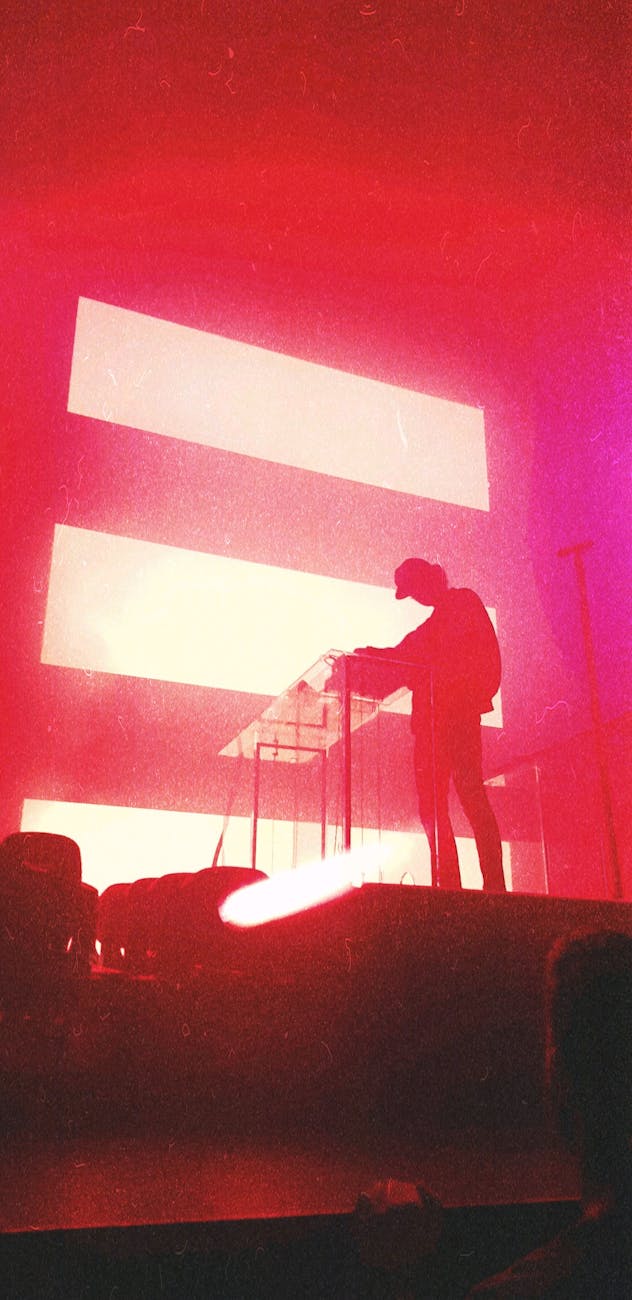
Amsterdam, a city renowned for its vibrant nightlife and cultural tapestry, offers a surprisingly rich scene for experiencing live Dutch music after the clock strikes ten. While the city’s musical landscape is internationally diverse, digging beneath the surface reveals numerous venues consistently showcasing the talents of Dutch artists across a spectrum of genres – from traditional *Nederbeat* and *levenslied* to contemporary indie, jazz, and electronic music influenced by Dutch heritage. This guide aims to provide an exhaustive overview of where to find these performances, considering factors like genre focus, atmosphere, typical schedule, and accessibility, ensuring both tourists and locals can discover authentic Dutch sounds late into the night. The challenge lies in the fact that dedicated “Dutch music nights” are less common than broader genre-focused events. Instead, Dutch artists frequently integrate into the existing live music circuit, often appearing as support acts, headlining smaller venues, or participating in themed evenings. Therefore, a successful search requires understanding the core venues and regularly checking their schedules. Furthermore, the definition of “Dutch music” itself is fluid. We’ll encompass artists who primarily perform in Dutch, those deeply rooted in Dutch musical traditions (even if performing in English), and those whose music is distinctly shaped by the Dutch cultural context.
Understanding the Dutch Music Landscape
Before diving into specific venues, it’s crucial to understand the key genres that define the Dutch music scene. *Nederbeat*, a distinctly Dutch rock and roll style flourishing in the 1960s, continues to influence contemporary artists. Bands like The Outsiders and Shocking Blue, while internationally known, represent just the tip of the iceberg. *Levenslied*, often translated as “song of life,” is a genre characterized by melancholic lyrics, often dealing with themes of love, loss, and everyday struggles. Artists like Jacques Brel (though Belgian, profoundly influential in the Netherlands) and Ramses Shaffy are icons of this genre. Contemporary Dutch indie music is thriving, with bands incorporating elements of alternative rock, folk, and electronic music. Jazz also has a strong presence, with numerous Dutch jazz musicians gaining international recognition. Finally, the electronic music scene, while globally connected, features Dutch DJs and producers who often draw inspiration from Dutch artistic movements and cultural heritage. Knowing these genres will help you refine your search and appreciate the nuances of the music you encounter.
Key Venues for Live Dutch Music
Several venues consistently host live music and frequently feature Dutch artists. These range from intimate bars to larger concert halls. Paradiso, a former church transformed into a legendary music venue, often hosts Dutch headliners and supporting acts across various genres. While not exclusively dedicated to Dutch music, its diverse programming makes it a prime location to catch a Dutch performance. Checking their schedule is paramount. Melkweg, another iconic Amsterdam venue, similarly boasts a broad range of acts, including a significant number of Dutch indie, rock, and electronic artists. Melkweg frequently hosts themed nights and showcases emerging Dutch talent. Bitterzoet, a smaller, more intimate venue, is a haven for indie and alternative music, frequently featuring up-and-coming Dutch bands. Its cozy atmosphere and dedication to live music make it an excellent choice for discovering new artists. OT301, a squatted and self-managed cultural center, is known for its alternative and experimental programming, often showcasing Dutch underground bands and artists. It’s a more raw and unconventional experience, but a truly authentic slice of Amsterdam’s cultural scene. Café Sound Garden, while primarily a bar, regularly hosts live music, including Dutch singer-songwriters and small bands. It offers a more laid-back and intimate atmosphere. Jazz Café Alto, as the name suggests, is dedicated to jazz music, and frequently features Dutch jazz musicians and ensembles. It’s a must-visit for jazz enthusiasts. Winkel 43 is renowned for its *levenslied* nights, providing a dedicated space for this traditional Dutch genre. This is one of the most reliable places to consistently find performances in Dutch.
Digging Deeper: Specialized Events and Resources
Beyond the established venues, several specialized events and resources can help you discover live Dutch music. De Culturele Raad (The Cultural Council) is a platform that promotes independent music and art in Amsterdam, often featuring Dutch artists. Their website and social media channels are excellent sources of information about upcoming events. Amsterdam Roots Festival, held annually in the summer, showcases a diverse range of folk and world music, including Dutch folk traditions. While not a year-round event, it’s a great opportunity to experience Dutch musical heritage. Local Facebook groups and online forums dedicated to Amsterdam’s music scene are invaluable for discovering smaller gigs and hidden gems. Search for groups related to “Amsterdam live music” or specific genres. Online event listings websites such as Eventbrite and Resident Advisor (although often geared towards electronic music) can also be filtered to show events featuring Dutch artists. Furthermore, many Dutch artists maintain their own websites and social media pages, where they announce upcoming performances. Following your favorite Dutch artists online is a proactive way to stay informed about their gigs. Don’t underestimate the power of simply walking around the Jordaan neighborhood. Many *bruin cafés* (brown cafes) host impromptu jam sessions and live music performances, often featuring local musicians.
The Definitive Answer: Maximizing Your Chances of Finding Dutch Music After 10pm
To consistently find live Dutch music in Amsterdam after 10pm, a multi-pronged approach is essential. First, prioritize checking the schedules of Paradiso, Melkweg, Bitterzoet, and OT301. These venues, while not exclusively dedicated to Dutch music, frequently host Dutch artists as headliners or support acts. Aim to check their websites or social media channels at least a week in advance. Second, make Winkel 43 a regular stop if you’re interested in *levenslied*. This venue consistently showcases artists in this genre. Third, actively monitor De Culturele Raad’s website and relevant Facebook groups for smaller gigs and hidden gems. These resources often feature events that don’t appear on mainstream event listings. Fourth, be flexible and open to discovering new artists. Amsterdam’s music scene is constantly evolving, and there are numerous talented Dutch musicians waiting to be discovered. Fifth, consider the day of the week. Weekends generally offer more live music options than weekdays. However, smaller venues may host gigs on weeknights as well. Sixth, don’t be afraid to ask locals for recommendations. Bartenders, musicians, and fellow concertgoers can provide valuable insights into the local music scene. Finally, utilize a combination of online resources and offline exploration. Combine checking venue websites with wandering around neighborhoods like the Jordaan and keeping an eye out for posters and flyers. By employing these strategies, you’ll significantly increase your chances of experiencing the vibrant and authentic Dutch music scene that Amsterdam has to offer after 10pm. A willingness to explore beyond the well-trodden tourist paths will reward you with a truly unique and memorable musical experience. Remember that the Dutch music scene isn’t always explicitly advertised; it’s often integrated into the broader cultural fabric of the city, requiring a proactive and adventurous spirit to uncover its hidden treasures.
Tour Types Analysis: Navigating Amsterdam’s Canal System
Amsterdam’s canal system isn’t merely a picturesque backdrop; it’s the city’s circulatory system, and experiencing it via a canal tour is arguably the most quintessential Amsterdam activity. However, not all canal tours are created equal. The sheer variety available – from large, open-air boats to intimate, private launches – can be overwhelming. Understanding the different tour types is crucial to selecting one that aligns with your interests, budget, and desired experience. Broadly, canal tours fall into several categories: large group tours, small group tours, private canal tours, and themed tours. Each offers a unique perspective and caters to different preferences. Large group tours are the most affordable option, typically lasting around an hour and covering the main canals. They’re ideal for first-time visitors seeking a general overview of the city. However, they can be crowded, noisy, and lack personalized attention. Small group tours, often limited to 12-15 people, offer a more intimate and comfortable experience. They usually last longer, allowing for more in-depth commentary and exploration of smaller canals. Private canal tours are the most luxurious and customizable option. You charter a private boat and tailor the itinerary to your specific interests, whether it’s focusing on architecture, history, or simply enjoying a romantic cruise. These are significantly more expensive but offer unparalleled flexibility and exclusivity. Finally, themed tours cater to specific interests, such as culinary tours with onboard snacks and drinks, historical tours focusing on Amsterdam’s Golden Age, or evening tours with illuminated canals. Choosing the right tour type depends on your priorities. Are you on a tight budget? Opt for a large group tour. Do you prefer a more intimate and informative experience? Choose a small group tour. Are you celebrating a special occasion and want a truly unique experience? A private tour is the way to go. Do you have a specific interest? Look for a themed tour that caters to it.
The canals themselves also influence the tour experience. The *Grachtengordel* (canal ring), a UNESCO World Heritage site, is the most iconic and frequently traversed area. Tours focusing on the Grachtengordel offer stunning views of the canal houses and bridges. However, exploring the smaller, less-trafficked canals – such as the *Prinsengracht* and the *Keizersgracht* – can provide a more authentic and peaceful experience. Some tours venture beyond the central canals, exploring the *Jordaan* district with its charming streets and hidden courtyards. The type of boat also plays a significant role. Traditional saloon boats offer protection from the weather but can feel enclosed. Open-air boats provide unobstructed views but leave you exposed to the elements. Electric boats are quieter and more environmentally friendly. And smaller, more maneuverable boats can navigate the narrowest canals.
Here’s a detailed comparison of common tour types:
| Tour Type | Approximate Duration | Group Size | Approximate Cost (per person) | Key Features | Best For |
|---|---|---|---|---|---|
| Large Group Canal Tour | 60-75 minutes | 20-40+ | €16 – €25 | Covers main canals, audio guide available, frequent departures | First-time visitors, budget travelers, those seeking a quick overview |
| Small Group Canal Tour | 90-120 minutes | 8-15 | €30 – €50 | More in-depth commentary, access to smaller canals, comfortable seating | Visitors seeking a more intimate and informative experience, photography enthusiasts |
| Private Canal Tour | 60-180+ minutes (customizable) | 2-12 (depending on boat size) | €200 – €600+ (total cost) | Fully customizable itinerary, private boat and skipper, onboard drinks and snacks often included | Special occasions, romantic getaways, groups wanting a personalized experience |
| Themed Canal Tour (e.g., Wine & Cheese) | 75-90 minutes | 10-20 | €40 – €70 | Combines canal cruising with a specific theme (food, history, art), onboard refreshments | Visitors with specific interests, those seeking a unique and interactive experience |
It’s also important to consider the time of day. Daytime tours offer the best visibility and allow you to appreciate the architecture and surroundings. Evening tours, particularly during the winter months, showcase the illuminated canal houses, creating a magical atmosphere. Some tours also offer sunset cruises, providing stunning views of the city bathed in golden light.
Beyond the standard options, consider alternative ways to explore the canals. Renting a pedal boat or electric boat allows you to navigate the canals at your own pace and explore hidden corners. However, be aware that navigating the canals can be challenging, especially during peak season. Kayaking and canoeing offer a more active and immersive experience, but require some paddling skill. Ultimately, the best way to experience Amsterdam’s canal system is to choose a tour type that aligns with your interests, budget, and desired level of comfort. By carefully considering the options and planning ahead, you can ensure a memorable and enjoyable experience.
Practical Advice: Booking, Accessibility, and What to Bring
Once you’ve decided on a tour type, the practicalities of booking, accessibility, and preparation come into play. Booking in advance is highly recommended, especially during peak season (April-October) and holidays. Popular tours sell out quickly, and booking online guarantees your spot. Many tour operators offer online booking platforms with secure payment options. Comparison websites like GetYourGuide and Viator can help you compare prices and itineraries from different operators. Consider purchasing tickets directly from the tour operator’s website for potentially lower prices and more flexible cancellation policies. Accessibility is an important consideration. While many tour operators strive to be inclusive, not all boats are wheelchair accessible. If you have mobility issues, it’s crucial to inquire about accessibility options before booking. Some operators offer specially adapted boats or can arrange for assistance with boarding and disembarking. Similarly, if you have visual or hearing impairments, inform the tour operator in advance so they can make appropriate arrangements. Regarding what to bring, comfort is key. Wear comfortable shoes, as you may be doing some walking before and after the tour. Dress in layers, as the weather in Amsterdam can be unpredictable. A waterproof jacket or umbrella is a good idea, even on sunny days. Don’t forget your camera to capture the stunning views. Sunglasses and sunscreen are also recommended, especially during the summer months. Bringing a small backpack to carry your belongings is useful, but avoid bringing large bags or suitcases, as space on the boat may be limited. A bottle of water is also a good idea, especially on longer tours. Finally, consider bringing a Dutch phrasebook or translation app, although most tour guides speak English fluently.
Safety First: Navigating the Canals Responsibly
While canal tours are generally safe, it’s important to be aware of potential hazards and take necessary precautions. The most obvious risk is falling into the canal. While railings are provided on most boats, it’s important to be mindful of your surroundings and avoid leaning over the edge. Pay attention to the tour guide’s instructions and follow their guidance. Be particularly careful when boarding and disembarking the boat. The canals can also be busy with other boats, cyclists, and pedestrians. Be aware of your surroundings and watch out for traffic. In the event of an emergency, the tour guide will provide instructions and assistance. Familiarize yourself with the location of life jackets and emergency exits. It’s also prudent to be aware of pickpockets, particularly in crowded areas. Keep your valuables secure and be mindful of your belongings. If you’re renting a boat yourself, it’s essential to familiarize yourself with the local boating rules and regulations. Amsterdam’s canals have specific speed limits and navigation rules. Ensure you have a valid boating license if required. Always wear a life jacket, even if you’re a strong swimmer. And never operate a boat under the influence of alcohol or drugs. Finally, be respectful of the canal houses and the local residents. Avoid making excessive noise or disturbing the peace. Remember that the canals are not only a tourist attraction but also a living and working waterway.
Editor’s Note: Beyond the Tourist Trail
Amsterdam’s canal system is more than just a pretty picture; it’s a living testament to the city’s history, ingenuity, and resilience. While the popular canal tours offer a fantastic introduction to this iconic waterway, venturing beyond the tourist trail can reveal a deeper and more authentic experience. Consider exploring the canals during off-peak hours, when the crowds are smaller and the atmosphere is more peaceful. Take the time to wander along the canalside streets, discover hidden courtyards, and soak up the local atmosphere. Look beyond the grand canal houses and pay attention to the smaller details – the ornate gables, the charming houseboats, the colorful flower boxes. Talk to the locals, learn about their lives, and gain a deeper understanding of Amsterdam’s culture. Don’t be afraid to get lost and explore the lesser-known canals. You might stumble upon hidden gems – a cozy café, a quirky museum, or a beautiful park. Consider taking a canal cruise with a local guide who can share personal stories and insights. These guides often have a deep connection to the city and can offer a unique perspective. Support local businesses by visiting independent shops and restaurants along the canals. This helps to preserve the character of the neighborhood and ensures that the benefits of tourism are distributed more equitably. Remember that Amsterdam is a city with a rich and complex history. Take the time to learn about the city’s past – its Golden Age, its struggles, and its triumphs. Visiting museums and historical sites can provide valuable context and deepen your appreciation for the city. And finally, be a responsible tourist. Respect the environment, support local businesses, and be mindful of the local culture. By doing so, you can help to preserve Amsterdam’s beauty and charm for future generations. The canals are a treasure, and it’s our collective responsibility to protect them. The experience is not simply about *seeing* Amsterdam, but about *feeling* its pulse, understanding its story, and connecting with its soul. A simple boat ride, while enjoyable, is merely the starting point. The true magic lies in embracing the unexpected, venturing off the beaten path, and allowing yourself to be captivated by the unique spirit of this remarkable city.