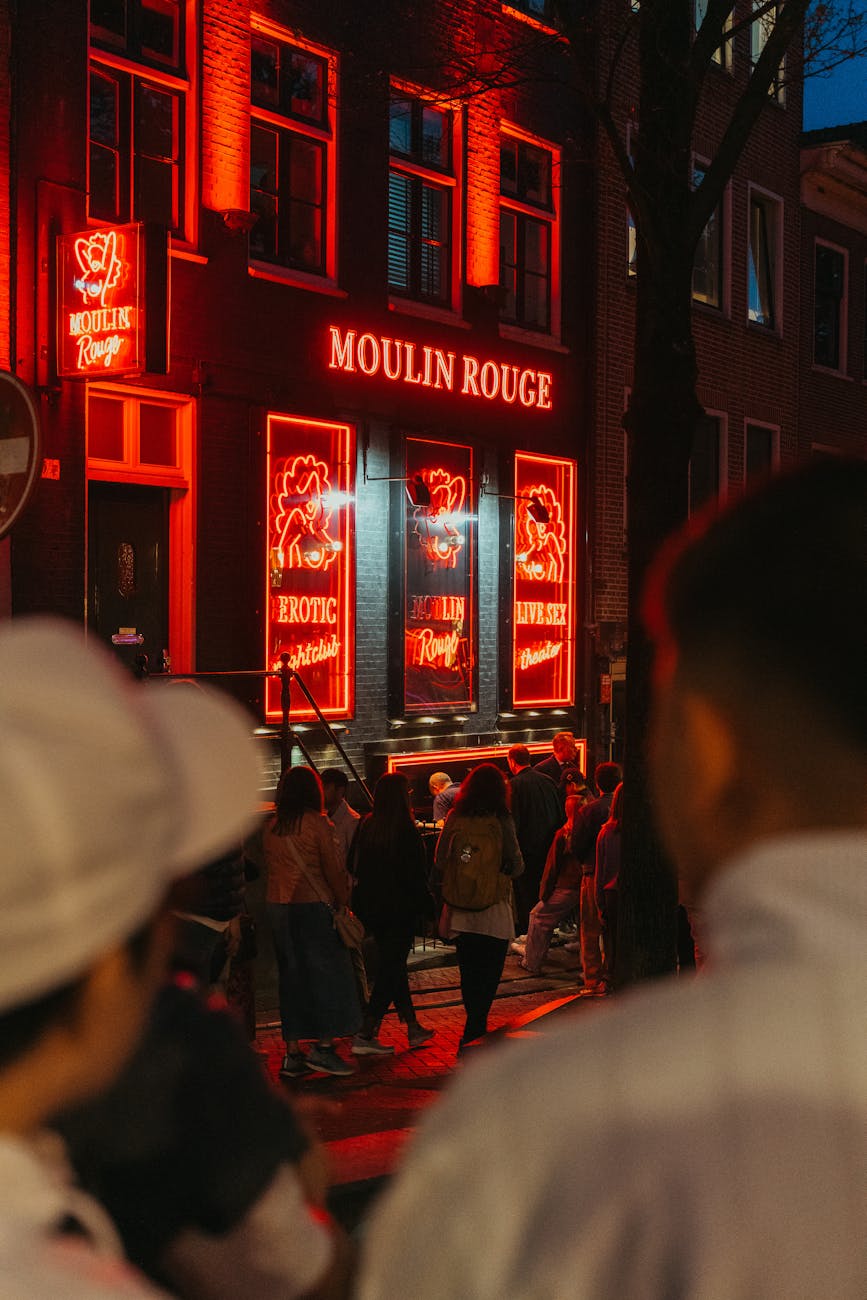
Understanding the De Wallen: A Historical and Cultural Overview
The De Wallen, Amsterdam’s Red Light District, is arguably the most famous – and often misunderstood – area of the city. Its history stretches back to the 14th century, long before its association with prostitution. Originally a network of canals and alleyways providing access to the port, it quickly became a bustling hub of commerce and, subsequently, a less reputable district inhabited by sailors, merchants, and those on the fringes of society. The area’s narrow streets, designed for pedestrian and canal traffic, contributed to a sense of enclosure and, over time, attracted a variety of businesses, including taverns, lodging houses, and illicit activities.
The formalization of prostitution within the De Wallen began in the early 20th century. While often portrayed as chaotic and unregulated, the current system is surprisingly structured. Prostitution is legal, but heavily regulated, with sex workers operating as independent contractors, paying rent for their window spaces (known as ‘kantoor’). This allows for a level of control and, importantly, provides a degree of safety for those involved, alongside regular health checks and support services. However, it’s crucial to understand this isn’t a universally positive situation; issues of exploitation, human trafficking, and the complex social dynamics within the industry remain significant concerns, actively addressed by local authorities and NGOs.
Beyond prostitution, the De Wallen is also home to a vibrant mix of businesses, including traditional Dutch shops, cafes, art galleries, and the Oude Kerk (Old Church), Amsterdam’s oldest building. This juxtaposition of the sacred and the profane creates a unique atmosphere that’s both captivating and controversial. The area isn’t simply about sex; it’s a historical microcosm of Amsterdam itself, reflecting the city’s long-held tolerance, pragmatism, and willingness to embrace diverse lifestyles. Understanding this historical and cultural context is vital before embarking on any tour. A responsible tour will not just focus on the windows, but also delve into the area’s past, present, and the complex social issues it faces.
Why Take a Tour? The Benefits of Guided Exploration
Venturing into the De Wallen independently can be overwhelming and, frankly, potentially disrespectful. The area is crowded, and it’s easy to feel lost or unsure of how to behave appropriately. A guided tour offers several significant advantages. Firstly, a knowledgeable guide can provide invaluable historical and cultural context, explaining the origins of the district, the regulations surrounding prostitution, and the lives of the people who work and live there. This goes far beyond simply pointing out the windows; it’s about understanding the social fabric of the area.
Secondly, a good tour prioritizes ethical tourism. This means respecting the privacy of sex workers, avoiding intrusive photography, and discouraging any behavior that could be considered exploitative. Guides will emphasize the importance of treating the area and its inhabitants with dignity. They will also highlight the efforts being made to combat human trafficking and support sex workers. Thirdly, tours can navigate you through the labyrinthine streets efficiently, pointing out hidden gems and historical landmarks you might otherwise miss, such as the Begijnhof, a peaceful courtyard offering a stark contrast to the surrounding bustle. Finally, a tour provides a safe and comfortable environment, especially for first-time visitors who may feel apprehensive about exploring the area on their own.
The Definitive Answer: Top Red Light District Tours for First-Time Visitors
After extensive research, considering ethical practices, historical accuracy, guide expertise, and overall visitor experience, here are the top Red Light District tours in Amsterdam, specifically tailored for first-time visitors:
1. FreeDam Walking Tours – Red Light District Tour
Why it’s exceptional: FreeDam consistently receives top ratings for its knowledgeable and engaging guides. Their Red Light District tour isn’t just a superficial overview; it’s a deep dive into the history, culture, and social issues surrounding the area. Guides are known for their respectful approach and commitment to ethical tourism. They actively discourage inappropriate behavior and provide a balanced perspective on the complexities of the industry. The tour covers the historical evolution of the De Wallen, the legal framework of prostitution in the Netherlands, and the challenges faced by sex workers. They also showcase the area’s hidden alleys and historical buildings. The ‘free’ aspect operates on a tipping basis, which encourages excellent service.
Duration: Approximately 2 hours.
Price: Free (tip-based, suggested tip €10-€15 per person).
Booking: https://www.freedam.com/red-light-district-tour/
2. Sandemans New Europe – Amsterdam Red Light District Tour
Why it’s exceptional: Sandemans is a well-established tour operator with a reputation for quality and professionalism. Their Red Light District tour is a comprehensive exploration of the area, led by experienced guides who are passionate about Amsterdam’s history and culture. The tour balances historical information with insights into the present-day realities of the De Wallen, addressing issues such as human trafficking and the rights of sex workers. They emphasize responsible tourism and encourage visitors to be respectful of the area and its inhabitants. Sandemans also offers a wider range of Amsterdam tours, making it a convenient option for those wanting to explore other parts of the city.
Duration: Approximately 2.5 hours.
Price: Around €20-€25 per person.
Booking: https://www.neweuropetours.eu/amsterdam/en/home
3. Amsterdam Red Light District Walking Tour – Local Flavours
Why it’s exceptional: Local Flavours specializes in small-group tours led by local guides who offer a truly authentic perspective on Amsterdam. Their Red Light District tour is particularly noteworthy for its focus on the human stories behind the windows. Guides share anecdotes and insights into the lives of sex workers, providing a more nuanced and compassionate understanding of the industry. They also explore the area’s hidden gems and historical landmarks, taking you off the beaten path. The small group size allows for a more intimate and interactive experience, with plenty of opportunities to ask questions and engage with the guide.
Duration: Approximately 2 hours.
Price: Around €25-€30 per person.
Booking: https://localflavours.nl/tours/amsterdam-red-light-district-walking-tour/
4. Dark Side of Amsterdam – Red Light District Tour
Why it’s exceptional: This tour isn’t for the faint of heart. While maintaining a respectful approach, it delves deeper into the darker aspects of the De Wallen’s history, including stories of crime, smuggling, and the challenges faced by sex workers. Guides are knowledgeable about the area’s underbelly and provide a candid and unflinching account of its past and present. The tour includes visits to lesser-known locations and a discussion of the ongoing efforts to combat human trafficking. It’s a more mature and thought-provoking experience than some of the other tours, but it offers a unique and insightful perspective on the Red Light District.
Duration: Approximately 2 hours.
Price: Around €20-€25 per person.
Booking: https://www.darksideofamsterdam.com/red-light-district-tour/
Important Considerations: Regardless of which tour you choose, remember to be respectful of the area and its inhabitants. Avoid taking photos of sex workers without their consent, and refrain from any behavior that could be considered exploitative or intrusive. Be aware of your surroundings and keep your belongings secure. And most importantly, approach the experience with an open mind and a willingness to learn.
Best Red Light District Tours in Amsterdam for First-Time Visitors
Understanding the De Wallen: A Historical and Cultural Overview
The De Wallen, Amsterdam’s Red Light District, is arguably the most famous – and often misunderstood – area of the city. Its history stretches back to the 14th century, long before its association with prostitution. Originally a network of canals and alleyways providing access to the port, it quickly became a bustling hub of commerce and, subsequently, a less reputable district inhabited by sailors, merchants, and those on the fringes of society. The area’s narrow streets, designed for pedestrian and canal traffic, contributed to a sense of enclosure and, over time, attracted a variety of businesses, including taverns, lodging houses, and illicit activities.
The formalization of prostitution within the De Wallen began in the early 20th century. While often portrayed as chaotic and unregulated, the current system is surprisingly structured. Prostitution is legal, but heavily regulated, with sex workers operating as independent contractors, paying rent for their window spaces (known as ‘kantoor’). This allows for a level of control and, importantly, provides a degree of safety for those involved, alongside regular health checks and support services. However, it’s crucial to understand this isn’t a universally positive situation; issues of exploitation, human trafficking, and the complex social dynamics within the industry remain significant concerns, actively addressed by local authorities and NGOs.
Beyond prostitution, the De Wallen is also home to a vibrant mix of businesses, including traditional Dutch shops, cafes, art galleries, and the Oude Kerk (Old Church), Amsterdam’s oldest building. This juxtaposition of the sacred and the profane creates a unique atmosphere that’s both captivating and controversial. The area isn’t simply about sex; it’s a historical microcosm of Amsterdam itself, reflecting the city’s long-held tolerance, pragmatism, and willingness to embrace diverse lifestyles. Understanding this historical and cultural context is vital before embarking on any tour. A responsible tour will not just focus on the windows, but also delve into the area’s past, present, and the complex social issues it faces.
Why Take a Tour? The Benefits of Guided Exploration
Venturing into the De Wallen independently can be overwhelming and, frankly, potentially disrespectful. The area is crowded, and it’s easy to feel lost or unsure of how to behave appropriately. A guided tour offers several significant advantages. Firstly, a knowledgeable guide can provide invaluable historical and cultural context, explaining the origins of the district, the regulations surrounding prostitution, and the lives of the people who work and live there. This goes far beyond simply pointing out the windows; it’s about understanding the social fabric of the area.
Secondly, a good tour prioritizes ethical tourism. This means respecting the privacy of sex workers, avoiding intrusive photography, and discouraging any behavior that could be considered exploitative. Guides will emphasize the importance of treating the area and its inhabitants with dignity. They will also highlight the efforts being made to combat human trafficking and support sex workers. Thirdly, tours can navigate you through the labyrinthine streets efficiently, pointing out hidden gems and historical landmarks you might otherwise miss, such as the Begijnhof, a peaceful courtyard offering a stark contrast to the surrounding bustle. Finally, a tour provides a safe and comfortable environment, especially for first-time visitors who may feel apprehensive about exploring the area on their own.
The Definitive Answer: Top Red Light District Tours for First-Time Visitors
After extensive research, considering ethical practices, historical accuracy, guide expertise, and overall visitor experience, here are the top Red Light District tours in Amsterdam, specifically tailored for first-time visitors:
1. FreeDam Walking Tours – Red Light District Tour
Why it’s exceptional: FreeDam consistently receives top ratings for its knowledgeable and engaging guides. Their Red Light District tour isn’t just a superficial overview; it’s a deep dive into the history, culture, and social issues surrounding the area. Guides are known for their respectful approach and commitment to ethical tourism. They actively discourage inappropriate behavior and provide a balanced perspective on the complexities of the industry. The tour covers the historical evolution of the De Wallen, the legal framework of prostitution in the Netherlands, and the challenges faced by sex workers. They also showcase the area’s hidden alleys and historical buildings. The ‘free’ aspect operates on a tipping basis, which encourages excellent service.
Duration: Approximately 2 hours.
Price: Free (tip-based, suggested tip €10-€15 per person).
Booking: https://www.freedam.com/red-light-district-tour/
2. Sandemans New Europe – Amsterdam Red Light District Tour
Why it’s exceptional: Sandemans is a well-established tour operator with a reputation for quality and professionalism. Their Red Light District tour is a comprehensive exploration of the area, led by experienced guides who are passionate about Amsterdam’s history and culture. The tour balances historical information with insights into the present-day realities of the De Wallen, addressing issues such as human trafficking and the rights of sex workers. They emphasize responsible tourism and encourage visitors to be respectful of the area and its inhabitants. Sandemans also offers a wider range of Amsterdam tours, making it a convenient option for those wanting to explore other parts of the city.
Duration: Approximately 2.5 hours.
Price: Around €20-€25 per person.
Booking: https://www.neweuropetours.eu/amsterdam/en/home
3. Amsterdam Red Light District Walking Tour – Local Flavours
Why it’s exceptional: Local Flavours specializes in small-group tours led by local guides who offer a truly authentic perspective on Amsterdam. Their Red Light District tour is particularly noteworthy for its focus on the human stories behind the windows. Guides share anecdotes and insights into the lives of sex workers, providing a more nuanced and compassionate understanding of the industry. They also explore the area’s hidden gems and historical landmarks, taking you off the beaten path. The small group size allows for a more intimate and interactive experience, with plenty of opportunities to ask questions and engage with the guide.
Duration: Approximately 2 hours.
Price: Around €25-€30 per person.
Booking: https://localflavours.nl/tours/amsterdam-red-light-district-walking-tour/
4. Dark Side of Amsterdam – Red Light District Tour
Why it’s exceptional: This tour isn’t for the faint of heart. While maintaining a respectful approach, it delves deeper into the darker aspects of the De Wallen’s history, including stories of crime, smuggling, and the challenges faced by sex workers. Guides are knowledgeable about the area’s underbelly and provide a candid and unflinching account of its past and present. The tour includes visits to lesser-known locations and a discussion of the ongoing efforts to combat human trafficking. It’s a more mature and thought-provoking experience than some of the other tours, but it offers a unique and insightful perspective on the Red Light District.
Duration: Approximately 2 hours.
Price: Around €20-€25 per person.
Booking: https://www.darksideofamsterdam.com/red-light-district-tour/
Important Considerations: Regardless of which tour you choose, remember to be respectful of the area and its inhabitants. Avoid taking photos of sex workers without their consent, and refrain from any behavior that could be considered exploitative or intrusive. Be aware of your surroundings and keep your belongings secure. And most importantly, approach the experience with an open mind and a willingness to learn.
Decoding Tour Types: A Comparative Analysis
Red Light District tours aren’t monolithic. They vary significantly in style, focus, and price. Understanding these differences is crucial for choosing the tour that best suits your interests and preferences. Here’s a breakdown of the most common tour types:
Free Walking Tours (Tip-Based): These tours are typically led by local enthusiasts and offer a general overview of the De Wallen’s history and culture. They’re a great option for budget-conscious travelers, but the quality can vary depending on the guide. The reliance on tips means guides are incentivized to provide excellent service, but it also means there’s less financial stability, potentially affecting long-term guide expertise.
Standard Walking Tours (Fixed Price): These tours are offered by established tour operators and provide a more consistent and professional experience. They typically have a fixed itinerary and a knowledgeable guide. The price reflects the operator’s investment in training and quality control.
Small-Group Tours: These tours limit the number of participants, allowing for a more intimate and interactive experience. They often focus on specific themes, such as the human stories behind the windows or the area’s hidden gems. The smaller group size allows for more personalized attention from the guide.
Private Tours: These tours offer the ultimate in flexibility and customization. You can tailor the itinerary to your specific interests and have a dedicated guide all to yourself. However, they’re also the most expensive option.
Here’s a comparative table to illustrate the key differences:
| Tour Type | Price | Group Size | Focus | Guide Expertise | Flexibility |
|---|---|---|---|---|---|
| Free Walking Tour | Tip-Based (€10-€15 suggested) | Variable (often large) | General History & Culture | Variable | Low |
| Standard Walking Tour | €20-€30 | Medium (10-20 people) | Comprehensive History & Social Issues | High | Medium |
| Small-Group Tour | €25-€40 | Small (6-12 people) | Specific Themes (e.g., Human Stories) | Very High | Medium |
| Private Tour | €80+ (depending on duration and group size) | Customizable | Fully Customizable | Highly Experienced & Specialized | High |
Best Red Light District Tours in Amsterdam for First-Time Visitors
Understanding the De Wallen: A Historical and Cultural Overview
The De Wallen, Amsterdam’s Red Light District, is arguably the most famous – and often misunderstood – area of the city. Its history stretches back to the 14th century, long before its association with prostitution. Originally a network of canals and alleyways providing access to the port, it quickly became a bustling hub of commerce and, subsequently, a less reputable district inhabited by sailors, merchants, and those on the fringes of society. The area’s narrow streets, designed for pedestrian and canal traffic, contributed to a sense of enclosure and, over time, attracted a variety of businesses, including taverns, lodging houses, and illicit activities.
The formalization of prostitution within the De Wallen began in the early 20th century. While often portrayed as chaotic and unregulated, the current system is surprisingly structured. Prostitution is legal, but heavily regulated, with sex workers operating as independent contractors, paying rent for their window spaces (known as ‘kantoor’). This allows for a level of control and, importantly, provides a degree of safety for those involved, alongside regular health checks and support services. However, it’s crucial to understand this isn’t a universally positive situation; issues of exploitation, human trafficking, and the complex social dynamics within the industry remain significant concerns, actively addressed by local authorities and NGOs.
Beyond prostitution, the De Wallen is also home to a vibrant mix of businesses, including traditional Dutch shops, cafes, art galleries, and the Oude Kerk (Old Church), Amsterdam’s oldest building. This juxtaposition of the sacred and the profane creates a unique atmosphere that’s both captivating and controversial. The area isn’t simply about sex; it’s a historical microcosm of Amsterdam itself, reflecting the city’s long-held tolerance, pragmatism, and willingness to embrace diverse lifestyles. Understanding this historical and cultural context is vital before embarking on any tour. A responsible tour will not just focus on the windows, but also delve into the area’s past, present, and the complex social issues it faces.
Why Take a Tour? The Benefits of Guided Exploration
Venturing into the De Wallen independently can be overwhelming and, frankly, potentially disrespectful. The area is crowded, and it’s easy to feel lost or unsure of how to behave appropriately. A guided tour offers several significant advantages. Firstly, a knowledgeable guide can provide invaluable historical and cultural context, explaining the origins of the district, the regulations surrounding prostitution, and the lives of the people who work and live there. This goes far beyond simply pointing out the windows; it’s about understanding the social fabric of the area.
Secondly, a good tour prioritizes ethical tourism. This means respecting the privacy of sex workers, avoiding intrusive photography, and discouraging any behavior that could be considered exploitative. Guides will emphasize the importance of treating the area and its inhabitants with dignity. They will also highlight the efforts being made to combat human trafficking and support sex workers. Thirdly, tours can navigate you through the labyrinthine streets efficiently, pointing out hidden gems and historical landmarks you might otherwise miss, such as the Begijnhof, a peaceful courtyard offering a stark contrast to the surrounding bustle. Finally, a tour provides a safe and comfortable environment, especially for first-time visitors who may feel apprehensive about exploring the area on their own.
The Definitive Answer: Top Red Light District Tours for First-Time Visitors
After extensive research, considering ethical practices, historical accuracy, guide expertise, and overall visitor experience, here are the top Red Light District tours in Amsterdam, specifically tailored for first-time visitors:
1. FreeDam Walking Tours – Red Light District Tour
Why it’s exceptional: FreeDam consistently receives top ratings for its knowledgeable and engaging guides. Their Red Light District tour isn’t just a superficial overview; it’s a deep dive into the history, culture, and social issues surrounding the area. Guides are known for their respectful approach and commitment to ethical tourism. They actively discourage inappropriate behavior and provide a balanced perspective on the complexities of the industry. The tour covers the historical evolution of the De Wallen, the legal framework of prostitution in the Netherlands, and the challenges faced by sex workers. They also showcase the area’s hidden alleys and historical buildings. The ‘free’ aspect operates on a tipping basis, which encourages excellent service.
Duration: Approximately 2 hours.
Price: Free (tip-based, suggested tip €10-€15 per person).
Booking: https://www.freedam.com/red-light-district-tour/
2. Sandemans New Europe – Amsterdam Red Light District Tour
Why it’s exceptional: Sandemans is a well-established tour operator with a reputation for quality and professionalism. Their Red Light District tour is a comprehensive exploration of the area, led by experienced guides who are passionate about Amsterdam’s history and culture. The tour balances historical information with insights into the present-day realities of the De Wallen, addressing issues such as human trafficking and the rights of sex workers. They emphasize responsible tourism and encourage visitors to be respectful of the area and its inhabitants. Sandemans also offers a wider range of Amsterdam tours, making it a convenient option for those wanting to explore other parts of the city.
Duration: Approximately 2.5 hours.
Price: Around €20-€25 per person.
Booking: https://www.neweuropetours.eu/amsterdam/en/home
3. Amsterdam Red Light District Walking Tour – Local Flavours
Why it’s exceptional: Local Flavours specializes in small-group tours led by local guides who offer a truly authentic perspective on Amsterdam. Their Red Light District tour is particularly noteworthy for its focus on the human stories behind the windows. Guides share anecdotes and insights into the lives of sex workers, providing a more nuanced and compassionate understanding of the industry. They also explore the area’s hidden gems and historical landmarks, taking you off the beaten path. The small group size allows for a more intimate and interactive experience, with plenty of opportunities to ask questions and engage with the guide.
Duration: Approximately 2 hours.
Price: Around €25-€30 per person.
Booking: https://localflavours.nl/tours/amsterdam-red-light-district-walking-tour/
4. Dark Side of Amsterdam – Red Light District Tour
Why it’s exceptional: This tour isn’t for the faint of heart. While maintaining a respectful approach, it delves deeper into the darker aspects of the De Wallen’s history, including stories of crime, smuggling, and the challenges faced by sex workers. Guides are knowledgeable about the area’s underbelly and provide a candid and unflinching account of its past and present. The tour includes visits to lesser-known locations and a discussion of the ongoing efforts to combat human trafficking. It’s a more mature and thought-provoking experience than some of the other tours, but it offers a unique and insightful perspective on the Red Light District.
Duration: Approximately 2 hours.
Price: Around €20-€25 per person.
Booking: https://www.darksideofamsterdam.com/red-light-district-tour/
Practical Advice for Your Visit
Beyond choosing a tour, here’s some practical advice to enhance your experience. Firstly, wear comfortable shoes. The De Wallen’s streets are narrow, cobbled, and often crowded. You’ll be doing a lot of walking. Secondly, be mindful of cyclists. Amsterdam is a cycling city, and cyclists have the right of way. Pay attention to bike lanes and be aware of your surroundings. Thirdly, bring a small bag or backpack to carry water, snacks, and any personal belongings. Fourthly, be prepared for the weather. Amsterdam’s weather can be unpredictable, so it’s best to dress in layers. Finally, consider visiting during off-peak hours. The De Wallen is most crowded in the evenings and on weekends. Visiting during the day or on a weekday can provide a more relaxed and enjoyable experience.
Safety First: Essential Tips for a Responsible Visit
While the De Wallen is generally a safe area, it’s important to be aware of your surroundings and take precautions against petty theft. Keep your valuables secure and be wary of pickpockets, particularly in crowded areas. Avoid displaying large amounts of cash or expensive jewelry. Do not engage with street vendors selling illicit goods or services. Be respectful of the sex workers and their privacy. Do not take photos without their consent, and do not stare or make inappropriate comments. If you feel uncomfortable or threatened, seek help from a tour guide, a police officer, or a local shopkeeper. Avoid venturing into poorly lit or isolated areas, especially at night. Be aware of your alcohol consumption. Excessive drinking can impair your judgment and make you more vulnerable to crime. Finally, if you witness any suspicious activity, report it to the authorities.
Editor’s Note: Navigating Ethical Tourism and Complexities
The Red Light District is a complex and often controversial area. It’s crucial to approach your visit with sensitivity, respect, and a genuine desire to understand the social and historical context. The tours recommended above all strive to provide ethical and responsible experiences, but it’s ultimately up to you, the visitor, to act accordingly. Remember that the women working in the De Wallen are individuals with their own stories and agency. Treat them with dignity and avoid contributing to exploitation.
It’s also important to acknowledge the ongoing challenges facing the area, including human trafficking, exploitation, and the impact of tourism. Supporting organizations that work to combat these issues is a meaningful way to contribute to positive change. Before you go, consider researching these organizations and making a donation.
The De Wallen is not a theme park or a spectacle to be consumed. It’s a living, breathing community with a rich history and a complex present. Approach your visit with an open mind, a respectful attitude, and a willingness to learn, and you’ll gain a deeper understanding of Amsterdam and the people who call it home. We have deliberately avoided sensationalizing or glorifying the more exploitative aspects of the district, focusing instead on responsible tourism and historical understanding. We believe this is the only ethical way to approach this sensitive topic. Furthermore, remember that the legal framework surrounding prostitution is constantly evolving; staying informed about current regulations and debates is essential for a nuanced understanding. Finally, while we aim to provide accurate and up-to-date information, policies and tour details can change; always check directly with the tour operator before booking.
Best Red Light District Tours in Amsterdam for First-Time Visitors
Understanding the De Wallen: A Historical and Cultural Overview
The De Wallen, Amsterdam’s Red Light District, is arguably the most famous – and often misunderstood – area of the city. Its history stretches back to the 14th century, long before its association with prostitution. Originally a network of canals and alleyways providing access to the port, it quickly became a bustling hub of commerce and, subsequently, a less reputable district inhabited by sailors, merchants, and those on the fringes of society. The area’s narrow streets, designed for pedestrian and canal traffic, contributed to a sense of enclosure and, over time, attracted a variety of businesses, including taverns, lodging houses, and illicit activities.
The formalization of prostitution within the De Wallen began in the early 20th century. While often portrayed as chaotic and unregulated, the current system is surprisingly structured. Prostitution is legal, but heavily regulated, with sex workers operating as independent contractors, paying rent for their window spaces (known as ‘kantoor’). This allows for a level of control and, importantly, provides a degree of safety for those involved, alongside regular health checks and support services. However, it’s crucial to understand this isn’t a universally positive situation; issues of exploitation, human trafficking, and the complex social dynamics within the industry remain significant concerns, actively addressed by local authorities and NGOs.
Beyond prostitution, the De Wallen is also home to a vibrant mix of businesses, including traditional Dutch shops, cafes, art galleries, and the Oude Kerk (Old Church), Amsterdam’s oldest building. This juxtaposition of the sacred and the profane creates a unique atmosphere that’s both captivating and controversial. The area isn’t simply about sex; it’s a historical microcosm of Amsterdam itself, reflecting the city’s long-held tolerance, pragmatism, and willingness to embrace diverse lifestyles. Understanding this historical and cultural context is vital before embarking on any tour. A responsible tour will not just focus on the windows, but also delve into the area’s past, present, and the complex social issues it faces.
Why Take a Tour? The Benefits of Guided Exploration
Venturing into the De Wallen independently can be overwhelming and, frankly, potentially disrespectful. The area is crowded, and it’s easy to feel lost or unsure of how to behave appropriately. A guided tour offers several significant advantages. Firstly, a knowledgeable guide can provide invaluable historical and cultural context, explaining the origins of the district, the regulations surrounding prostitution, and the lives of the people who work and live there. This goes far beyond simply pointing out the windows; it’s about understanding the social fabric of the area.
Secondly, a good tour prioritizes ethical tourism. This means respecting the privacy of sex workers, avoiding intrusive photography, and discouraging any behavior that could be considered exploitative. Guides will emphasize the importance of treating the area and its inhabitants with dignity. They will also highlight the efforts being made to combat human trafficking and support sex workers. Thirdly, tours can navigate you through the labyrinthine streets efficiently, pointing out hidden gems and historical landmarks you might otherwise miss, such as the Begijnhof, a peaceful courtyard offering a stark contrast to the surrounding bustle. Finally, a tour provides a safe and comfortable environment, especially for first-time visitors who may feel apprehensive about exploring the area on their own.
The Definitive Answer: Top Red Light District Tours for First-Time Visitors
After extensive research, considering ethical practices, historical accuracy, guide expertise, and overall visitor experience, here are the top Red Light District tours in Amsterdam, specifically tailored for first-time visitors:
1. FreeDam Walking Tours – Red Light District Tour
Why it’s exceptional: FreeDam consistently receives top ratings for its knowledgeable and engaging guides. Their Red Light District tour isn’t just a superficial overview; it’s a deep dive into the history, culture, and social issues surrounding the area. Guides are known for their respectful approach and commitment to ethical tourism. They actively discourage inappropriate behavior and provide a balanced perspective on the complexities of the industry. The tour covers the historical evolution of the De Wallen, the legal framework of prostitution in the Netherlands, and the challenges faced by sex workers. They also showcase the area’s hidden alleys and historical buildings. The ‘free’ aspect operates on a tipping basis, which encourages excellent service.
Duration: Approximately 2 hours.
Price: Free (tip-based, suggested tip €10-€15 per person).
Booking: https://www.freedam.com/red-light-district-tour/
2. Sandemans New Europe – Amsterdam Red Light District Tour
Why it’s exceptional: Sandemans is a well-established tour operator with a reputation for quality and professionalism. Their Red Light District tour is a comprehensive exploration of the area, led by experienced guides who are passionate about Amsterdam’s history and culture. The tour balances historical information with insights into the present-day realities of the De Wallen, addressing issues such as human trafficking and the rights of sex workers. They emphasize responsible tourism and encourage visitors to be respectful of the area and its inhabitants. Sandemans also offers a wider range of Amsterdam tours, making it a convenient option for those wanting to explore other parts of the city.
Duration: Approximately 2.5 hours.
Price: Around €20-€25 per person.
Booking: https://www.neweuropetours.eu/amsterdam/en/home
3. Amsterdam Red Light District Walking Tour – Local Flavours
Why it’s exceptional: Local Flavours specializes in small-group tours led by local guides who offer a truly authentic perspective on Amsterdam. Their Red Light District tour is particularly noteworthy for its focus on the human stories behind the windows. Guides share anecdotes and insights into the lives of sex workers, providing a more nuanced and compassionate understanding of the industry. They also explore the area’s hidden gems and historical landmarks, taking you off the beaten path. The small group size allows for a more intimate and interactive experience, with plenty of opportunities to ask questions and engage with the guide.
Duration: Approximately 2 hours.
Price: Around €25-€30 per person.
Booking: https://localflavours.nl/tours/amsterdam-red-light-district-walking-tour/
4. Dark Side of Amsterdam – Red Light District Tour
Why it’s exceptional: This tour isn’t for the faint of heart. While maintaining a respectful approach, it delves deeper into the darker aspects of the De Wallen’s history, including stories of crime, smuggling, and the challenges faced by sex workers. Guides are knowledgeable about the area’s underbelly and provide a candid and unflinching account of its past and present. The tour includes visits to lesser-known locations and a discussion of the ongoing efforts to combat human trafficking. It’s a more mature and thought-provoking experience than some of the other tours, but it offers a unique and insightful perspective on the Red Light District.
Duration: Approximately 2 hours.
Price: Around €20-€25 per person.
Booking: https://www.darksideofamsterdam.com/red-light-district-tour/
Frequently Asked Questions
In conclusion, a Red Light District tour can be a fascinating and enlightening experience, but it’s crucial to approach it with respect, sensitivity, and a commitment to ethical tourism. By choosing a responsible tour operator and being mindful of your behavior, you can contribute to a more positive and sustainable future for this unique and complex area of Amsterdam.
Remember that the De Wallen is not just a tourist attraction; it’s a community with a rich history and a diverse population. Treat its inhabitants with dignity and avoid perpetuating harmful stereotypes. By embracing a responsible and respectful approach, you can gain a deeper understanding of Amsterdam’s cultural landscape and contribute to a more ethical tourism industry.
Ultimately, your journey through the Red Light District should be one of learning, reflection, and respect. Embrace the opportunity to challenge your preconceptions, broaden your perspective, and connect with the human stories behind the windows. By doing so, you’ll not only enhance your own experience but also contribute to a more compassionate and understanding world.